

Regular sauna bathing is associated with lower risk of cardiovascular events and all-cause mortality, according to some of the largest long-term cohort studies available. The strongest signal comes from Finnish cohorts, where more frequent, moderately long sessions tracked with greater risk reduction. That said, certain medical conditions warrant a conversation with a clinician before starting, so we’ll cover both the evidence and the precautions.
Key Takeaways
Regular sauna bathing is associated with lower cardiovascular risk and increased longevity, supported by observational studies and biological mechanisms, though definitive causality remains unproven.
| Point | Details |
|---|---|
| Frequent use lowers risk | Sauna use four to seven times weekly correlates with significantly reduced risks of heart disease, stroke, and death. |
| Session length matters | Longer sauna sessions over 19 minutes show stronger health benefits than brief exposures. |
| Mechanisms support longevity | Heat shock proteins and autophagy activation from heat exposure contribute to cellular resilience and vascular health. |
| Infrared saunas are plausible alternative | Lower-temperature infrared saunas may provide similar benefits, but long-term data are limited compared to Finnish-style saunas. |
| Personalized routines are key | Adjust sauna frequency, duration, and hydration based on individual health markers and bloodwork, not just generic guidelines. |
Table of Contents
- What the human evidence shows about sauna use and lifespan
- How heat exposure might support healthier aging at the cellular level
- Finnish versus infrared saunas, and a protocol to start with
- Who should be cautious, and how to reduce risk
- Pairing sauna bathing with exercise and recovery
- Why personalized guidance matters more than a generic protocol
- Build a sauna-based longevity plan that fits your biology
- FAQ
- Sources
What the human evidence shows about sauna use and lifespan
The most cited data point comes from a prospective Finnish cohort following 2,315 middle-aged men for roughly 20.7 years. Men who used the sauna 4 to 7 times per week had substantially lower risk of sudden cardiac death, fatal coronary heart disease, and all-cause mortality compared with those who used it once weekly. Longer sessions, over 19 minutes, were linked to stronger associations than brief ones, suggesting a dose-response pattern rather than an all-or-nothing effect.
A comprehensive review of passive heat therapies backs this up, finding the most consistent evidence for Finnish-style saunas specifically: associations with reduced hypertension, cardiovascular disease, stroke, dementia, and all-cause mortality. The Mayo Clinic Proceedings review reaches a similar conclusion, linking sauna bathing to improved hemodynamic function, better endothelial health, and lower arterial stiffness, while cautioning that most of this evidence is observational.
Intervention data adds a useful layer. A multi-arm randomized controlled trial testing exercise combined with post-exercise sauna found measurable improvements in cardiorespiratory fitness and systolic blood pressure compared with exercise alone over eight weeks. That’s a small trial, but it moves the conversation from pure correlation toward a plausible causal mechanism.
What we don’t have yet:
- Large, long-duration randomized trials proving that sauna use itself extends lifespan.
- Clear evidence separating sauna’s effect from the healthier lifestyle habits that frequent sauna users often share.
- Consistent data on infrared sauna outcomes at the scale available for traditional Finnish saunas.
Taken together, the evidence supports sauna bathing as a reasonable, well-supported habit for cardiovascular and longevity-related goals, described honestly as an association rather than a proven cause.
How heat exposure might support healthier aging at the cellular level
Sauna heat triggers a cascade of physiological responses that plausibly explain the mortality associations seen in cohort data. Heat exposure activates production of heat shock proteins, which help maintain proper protein folding and repair damaged proteins throughout the body, a process tied to cellular resilience as we age. Heat stress also appears to stimulate autophagy, the cellular process of clearing out damaged components, and may support mitochondrial adaptations that improve respiratory capacity over repeated exposures.
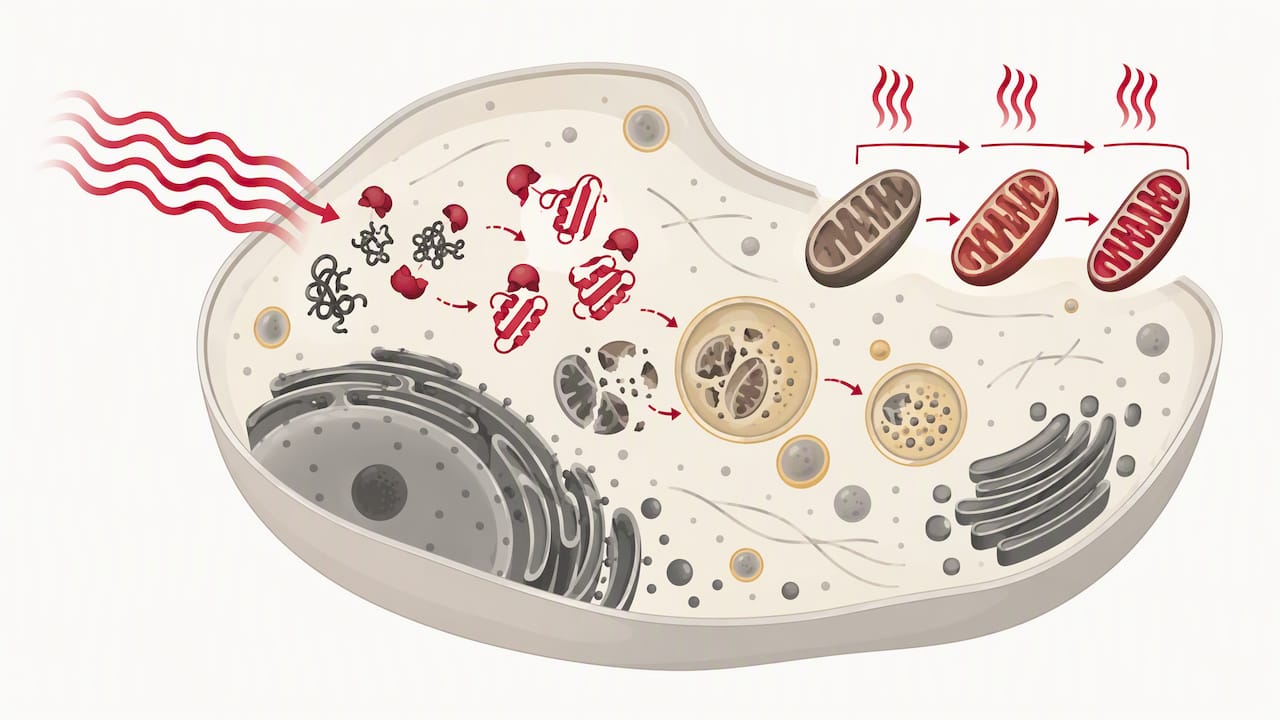
Regular Finnish sauna use is linked to measurable reductions in cardiovascular, stroke, and dementia risk, according to a comprehensive review of passive heat therapy, which also outlines mechanisms including reduced inflammation and improved endothelial function.
Other plausible pathways include:
- Lower systemic inflammation and reduced oxidative stress markers.
- Autonomic nervous system modulation that may support healthier heart rate variability.
- Improved vascular function, including better arterial flexibility over time.
- Neuroprotective signaling that may relate to lower dementia risk.
These mechanisms make the longevity hypothesis biologically credible, but they explain plausibility, not proof. Mechanistic research tells us why sauna bathing could matter; only long-term human trials can confirm how much it actually changes lifespan.
Finnish versus infrared saunas, and a protocol to start with
Most of the strongest longevity evidence comes from traditional Finnish saunas, dry heat typically between 80 and 100 degrees Celsius with low humidity. Infrared saunas operate at lower ambient temperatures and generate similar physiological responses for some people, making them a reasonable option for those who find very high heat intolerable, though long-term outcome data on infrared use remains limited compared with Finnish-style studies.
Cohort data points to a few consistent patterns: 3 to 7 sessions per week, roughly 15 to 20 minutes per session, with better outcomes tied to repeated short exposures rather than one long sitting.
A reasonable starting protocol looks like this:
- Sit in the sauna for 15 to 20 minutes at a heat level you can tolerate without distress.
- Step out and cool down for 5 to 10 minutes, rehydrating as needed.
- Repeat for a second round if you feel comfortable, up to two total rounds per session.
- Build frequency gradually toward 3 to 4 sessions per week before considering more.
Pro Tip: A single prolonged sit isn’t necessarily better than two shorter rounds with a cooling break between them, since the cohort data reflects repeated short exposures rather than marathon sessions.
Because sweating during a session can be substantial, pair longer or more frequent sessions with water and electrolytes, especially if you also train on the same day.
Who should be cautious, and how to reduce risk
Sauna bathing is safe for most healthy adults, but it isn’t risk-free. Acute risks include dehydration, a drop in blood pressure, and fainting, particularly for people who stand up too quickly after a long session. Specific caution is warranted for anyone with unstable cardiac disease, a recent heart attack, pregnant women, young children, and people using stimulant drugs or transdermal medication patches, since heat can alter how those patches release medication into the bloodstream.
Alcohol and stimulants both raise risk substantially when combined with heat exposure, since they interfere with the body’s ability to regulate temperature and blood pressure. Clinical review guidance recommends that people with known cardiovascular conditions get clearance from a clinician before starting a regular practice.
A typical 15 to 20 minute sauna session can cause fluid loss of about 0.5 to 1.0 kilograms, so rehydrating with water and electrolytes afterward matters more as sessions get longer or more frequent. Start with shorter sessions, build tolerance gradually, and always have a cooling plan ready.
Pairing sauna bathing with exercise and recovery
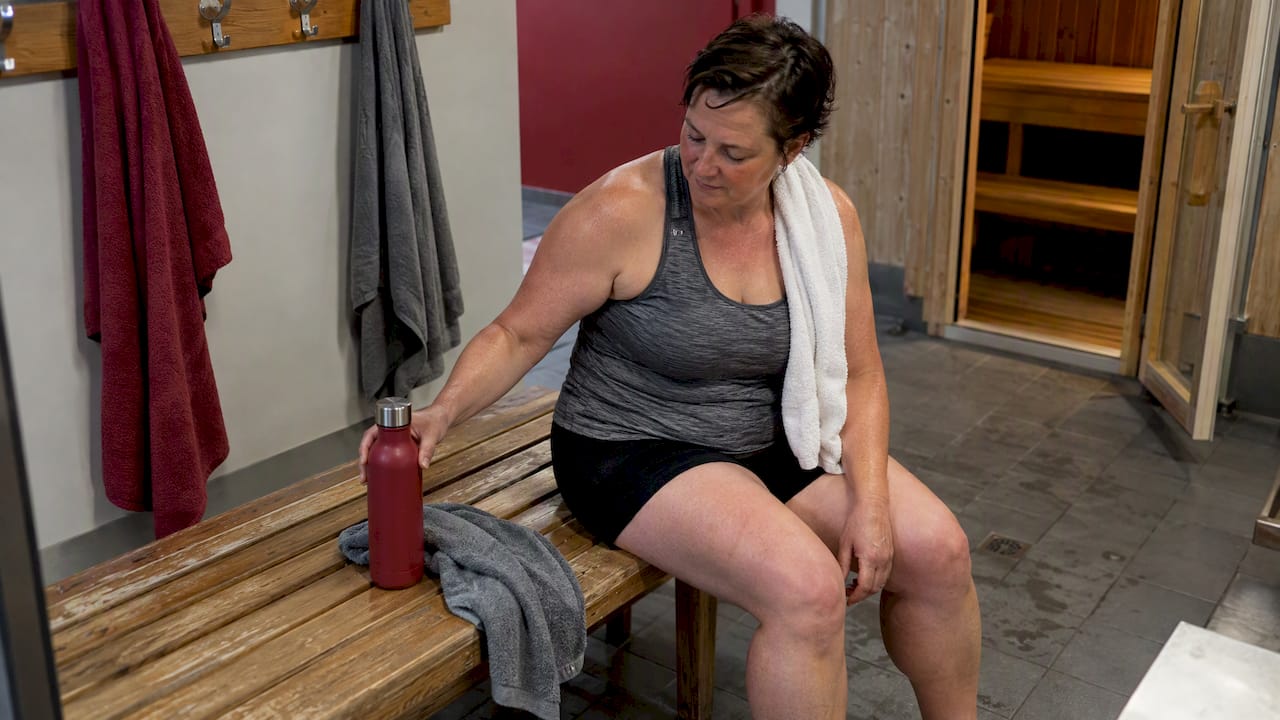
Many people use the sauna right after a workout, and the research on this pairing is encouraging. The randomized controlled trial on exercise plus sauna found that post-exercise sauna sessions improved cardiorespiratory fitness and blood pressure more than exercise alone, suggesting the two habits complement each other well. One caveat: if you’re actively building muscle, jumping straight into cold immersion after a resistance training session can blunt the hypertrophy signaling your body needs to adapt, so consider spacing cold exposure away from strength days.
Weekly planning might look like this:
- Lower frequency: 2 to 3 sauna sessions paired with 150 minutes of moderate exercise per week.
- Moderate frequency: 4 sauna sessions paired with regular strength and cardio training.
- Higher frequency: 5 to 7 sessions for those already active and cleared for frequent heat exposure.
Our in-home recovery services often build sauna timing directly into post-workout routines, pairing heat exposure with circulation-focused recovery work. Track sleep quality, resting blood pressure, and perceived exertion over several weeks to see how your body responds before increasing frequency further.
Why personalized guidance matters more than a generic protocol
A standard sauna protocol works reasonably well for a general population, but your bloodwork, cardiovascular markers, and recovery capacity are specific to you. We build sauna frequency and hydration recommendations around each client’s DNA and bloodwork results, adjusting session length and timing based on markers like resting blood pressure, inflammation levels, and cardiovascular risk indicators rather than applying the same routine to everyone.
For a client with elevated inflammatory markers, we might start conservatively and increase frequency only as those markers improve. For someone with strong cardiovascular baseline fitness, a higher-frequency protocol paired with structured training often fits well. If you want a clearer picture of where you stand before adjusting your routine, an assessment is a practical first step.
— Peter
Build a sauna-based longevity plan that fits your biology
We help clients build sauna, training, and recovery routines around what their own bloodwork and DNA actually say, not a one-size-fits-all template. Our longevity coaching combines diagnostics like SystemAge testing with hands-on coaching, whether you train with us in-home, at a partner gym, or virtually.

If you’re ready to see how personalized data can shape a smarter heat, training, and recovery routine, visit Posh Fitness to schedule a consultation and find the plan that matches your biology.
Pro Tip: If you already have recent bloodwork, bring it to your first conversation. It often shapes the starting protocol more than any general guideline could.
This article is general information, not a substitute for advice from a qualified doctor. Consult a qualified healthcare professional about your own circumstances before acting on anything here.
FAQ
What happens after 20 minutes in the sauna?
Most cohort evidence reflects sessions in the 15 to 20 minute range, often repeated in short rounds with cooling breaks rather than one extended sit. Staying much longer increases dehydration risk and does not appear necessary to capture the associations seen in Finnish cohort data.
Do saunas flush toxins out of the body?
Sweating removes only small amounts of substances like heavy metals, and the liver and kidneys handle the bulk of detoxification. Toxicology guidance cautions against overstating sauna bathing as a detox method, even though it offers real cardiovascular benefits.
What is the 200 rule for sauna use?
There’s no single clinically validated “200 rule” established in the research we reviewed, and definitions of it vary across informal sources. A more evidence-backed guideline is to focus on total heat exposure through repeated short sessions, rather than chasing a specific combined temperature and time target.
Is sauna good for anti-aging?
Regular sauna use is associated with lower cardiovascular and all-cause mortality risk, along with mechanisms like heat shock protein activation that plausibly support cellular resilience as we age. These findings come from observational and mechanistic research, so they support sauna bathing as a reasonable longevity habit rather than a proven anti-aging treatment.
How often should I use a sauna for longevity benefits?
Cohort data links 4 to 7 sessions per week with the strongest associated risk reductions, though 3 to 4 sessions weekly is a reasonable, sustainable starting point for most people. Building frequency gradually while monitoring how your body responds fits the pattern seen in the long-term Finnish cohort.
Sources
- Association Between Sauna Bathing and Fatal Cardiovascular and All-Cause Mortality Events
- Cardiovascular and Other Health Benefits of Sauna Bathing: A Review of the Evidence - Mayo Clinic Proceedings
- Poison