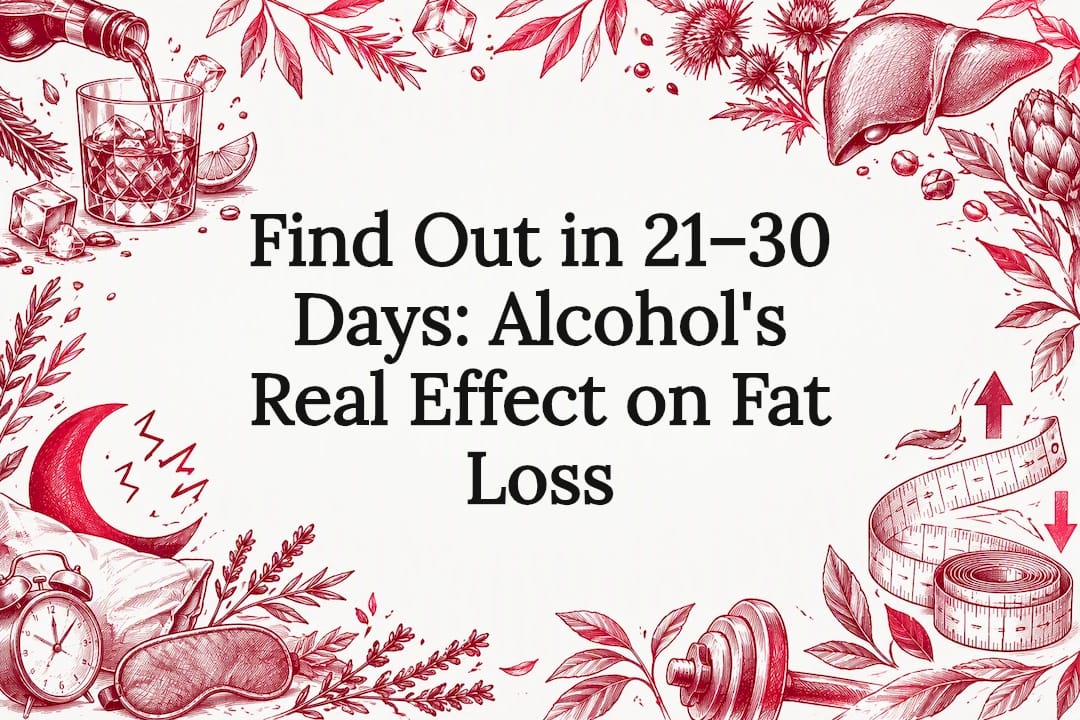

For most people actively working toward a leaner body, alcohol makes fat loss harder, not impossible. The effect comes from three overlapping forces: added calories that stack up fast, a metabolic shift that pauses fat burning while your body processes ethanol, and behavioral changes that lead to looser food choices and worse sleep. Cutting back on frequency or volume, or running a short abstinence test, tends to produce measurable, visible improvement within weeks.
Key Takeaways
Reducing or abstaining from alcohol benefits fat loss by limiting calorie intake, restoring fat oxidation, improving sleep, and reducing food disinhibition.
| Point | Details |
|---|---|
| Alcohol impairs fat burning | When alcohol is metabolized, fat oxidation slows down, especially within hours of drinking, hindering fat loss. |
| Drink calorie awareness | A standard drink varies in calories, with sugary cocktails often exceeding 300 calories and can sabotage dieting efforts. |
| Behavioral effects increase food intake | Alcohol lowers inhibition, prompting overeating high-fat, savory foods and weakening portion control. |
| Short-term abstinence improves health | A month without alcohol reduces insulin resistance and promotes weight loss, even without diet or exercise changes. |
| Poshfitness highlights personalized plans | We tailor programs using DNA analysis and bloodwork, including abstinence strategies, to optimize fat loss. |
Table of Contents
- How alcohol affects metabolism and fat oxidation
- Counting drinks: what alcohol actually costs you in calories
- Behavioral effects: appetite, disinhibition, and food choice
- What happens when you stop or cut back: the research
- Sleep, recovery, and the hormones that drive hunger
- A practical plan to minimize alcohol’s impact on fat loss
- How personalized coaching accounts for alcohol’s effect on fat loss
- Balancing social drinking with fat-loss goals
- Ready to find out how alcohol is affecting your progress?
- FAQ
- Sources
How alcohol affects metabolism and fat oxidation
Ethanol carries about 7 calories per gram, more than carbohydrate or protein and just under fat, according to a National Institute on Alcohol Abuse and Alcoholism review. But the calorie count is only part of the story. Once alcohol enters your bloodstream, your liver treats it as a priority fuel to clear, because your body has no real way to store it the way it stores carbohydrate or fat.
That prioritization comes at a cost. While your system is busy oxidizing ethanol, fat oxidation and lipolysis slow down. Dietary fat eaten alongside a drink is more likely to be stored rather than burned, since fat burning takes a back seat until the alcohol clears your system. This suppression is acute, typically lasting several hours per drinking session rather than persisting for days, but it recurs every time you drink.
A few physiological points worth understanding:
- Ethanol has no dedicated storage depot in the body, so it gets metabolized ahead of other fuels, which is why fat oxidation drops during and shortly after drinking.
- The suppression of fat burning is dose-dependent: a single light drink has a smaller and shorter effect than several drinks in one sitting.
- Chronic heavy drinking carries separate, longer-term metabolic consequences, including liver strain and altered insulin sensitivity, beyond the short-term fat oxidation dip.
- The practical window matters most for people tracking body composition closely, since repeated evenings of drinking create repeated windows where stored fat is harder to access.
For someone having a glass of wine twice a week, this acute effect is modest. For someone having several drinks most nights, the cumulative effect on fat oxidation can meaningfully slow progress, even when the total calorie count looks “reasonable” on paper. The practical implication is straightforward: even moderate drinking creates recurring periods where your body favors storing fat over burning it, and the more often those periods happen, the more they compound.
Counting drinks: what alcohol actually costs you in calories
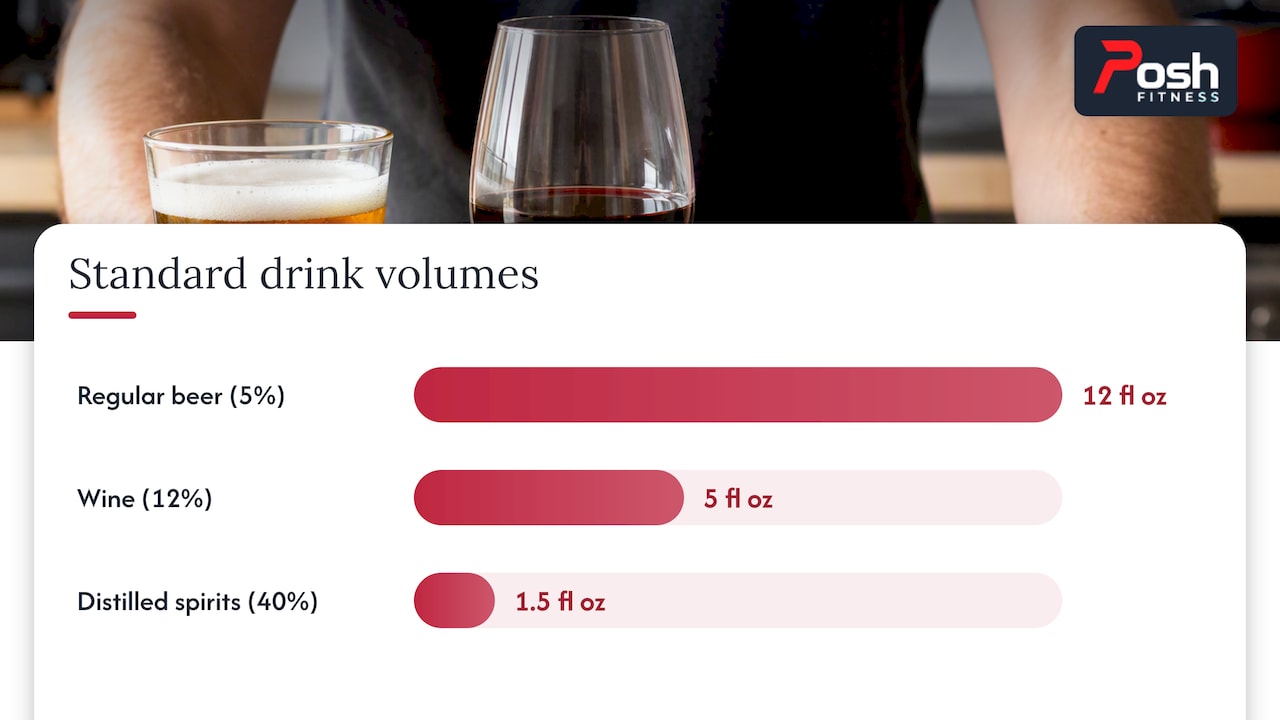
Before you can manage alcohol’s effect on your calorie budget, it helps to know what a “drink” actually means. The CDC defines a standard drink as about 14 grams, or 0.6 fluid ounces, of pure alcohol. That works out to roughly 12 ounces of regular beer at 5% alcohol, 5 ounces of wine at 12% alcohol, or 1.5 ounces of distilled spirits at 40% alcohol.
One 12-ounce beer runs roughly around 150 calories, and that’s before any mixer or garnish is added, according to NIAAA’s review of alcohol and nutrition. A standard pour of wine lands in a similar range, while a shot of spirits on its own is closer to 100 calories. The trouble starts when portions grow and mixers enter the picture.
Here’s where the math gets away from people:
- A restaurant “pour” of wine is often 1.5 to 2 standard servings, not one.
- A margarita or piña colada with sugary mixers can run 300 to 500 calories per glass, several times the calorie count of the alcohol alone.
- Three such cocktails a week adds roughly 900 to 1,500 extra calories, which over a month works out to a surplus large enough to slow or stall fat loss even if your meals stay consistent.
- Swapping sugary mixers for soda water, or choosing a straight spirit over a cocktail, can cut that weekly total by half or more without eliminating alcohol entirely.
A small shift in drink choice often moves the needle more than another round of tightening your meals, since mixers and oversized pours are where the real calorie creep hides.
Behavioral effects: appetite, disinhibition, and food choice
Alcohol’s influence on fat loss goes beyond the glass itself. Drinking lowers inhibition around food, and the research backing this is consistent: alcohol is linked to increased energy intake from food and weaker adherence to dietary goals, according to a review of alcohol’s role in behavioral weight-loss treatment. People tend to reach for savory, high-fat foods after drinking, and portion control tends to slip.
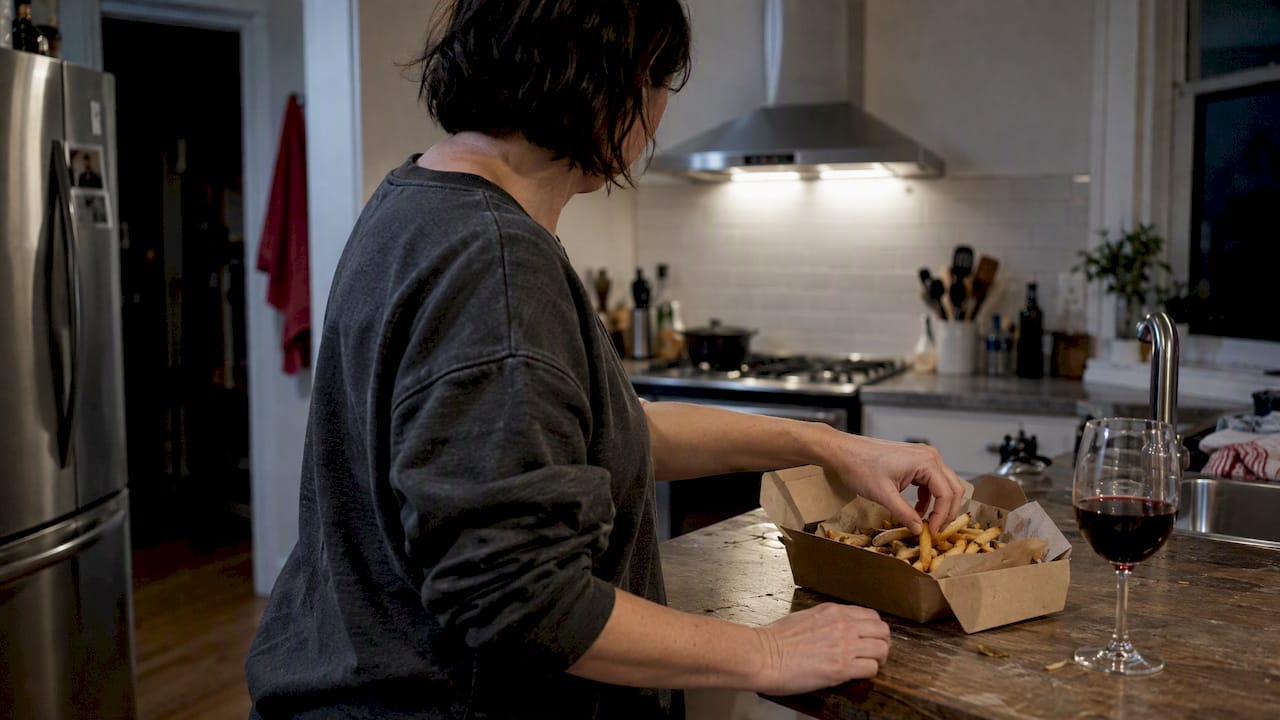
Part of this is physiological: alcohol can blunt the signals that normally tell you you’re full. Part of it is situational. Drinking often happens in settings built around food, bars, dinners, parties, where extra bites are easy and mindless. The combination of lowered inhibition and a food-heavy environment is where most of the damage happens, often more than the drink calories themselves.
A few practical ways to blunt this effect:
- Eat a protein-forward meal before drinking so you’re not arriving hungry and vulnerable to impulsive choices.
- Set a personal drink limit before you arrive, rather than deciding in the moment.
- Alternate alcoholic drinks with water to slow your pace and reduce total volume consumed.
- Avoid buffet-style or all-you-can-eat settings when you know alcohol will be involved.
Pro Tip: Order your food before your second drink arrives. Decisions made early in the evening are almost always more aligned with your goals than decisions made after a few rounds.
What happens when you stop or cut back: the research
The clearest way to see alcohol’s independent effect on fat loss is to look at what happens when people remove it. A prospective observational study found that one month of abstinence in moderate-to-heavy drinkers produced a 25.9% reduction in HOMA, a marker of insulin resistance, along with modest weight loss of about 1.5%, independent of diet or exercise changes, according to research published in BMJ Open. Blood pressure and liver markers improved too, and the gains held even after researchers accounted for other lifestyle changes participants made.
A one-month break from alcohol improved insulin sensitivity in this study, a change that occurred without any structured diet or exercise program. That is a meaningful signal that alcohol has effects on metabolic health that operate somewhat independently of calories alone.
Longer-term data tells a complementary story. In an analysis tied to the Look AHEAD trial, a multi-year lifestyle intervention for adults with overweight or obesity and type 2 diabetes, consistent heavy drinkers lost noticeably less weight over four years than abstainers, showing worse long-term weight loss outcomes, according to this Look AHEAD-related analysis.
A few points temper how you should read this evidence:
- Response to abstinence varies: some people see fast, clear improvements in blood sugar and weight, while others see smaller shifts, which is why tracking your own numbers matters more than relying on population averages.
- The clearest effects appear in moderate-to-heavy drinkers; light, occasional drinkers may see a smaller signal.
- Most of this research comes from adults already pursuing weight loss or managing a related condition, so results in a fully healthy population could differ.
The practical takeaway: a short abstinence window, built around real tracking rather than guesswork, is a low-cost way to find out how your own body responds.
Sleep, recovery, and the hormones that drive hunger
Alcohol’s reach extends past metabolism and food choices into sleep, and sleep disruption has its own downstream effect on fat loss. A systematic review of alcohol’s effect on night-time sleep found that even low doses alter sleep architecture, reducing REM sleep and fragmenting it, with the disruption worsening as the dose increases, according to research on alcohol and sleep characteristics.
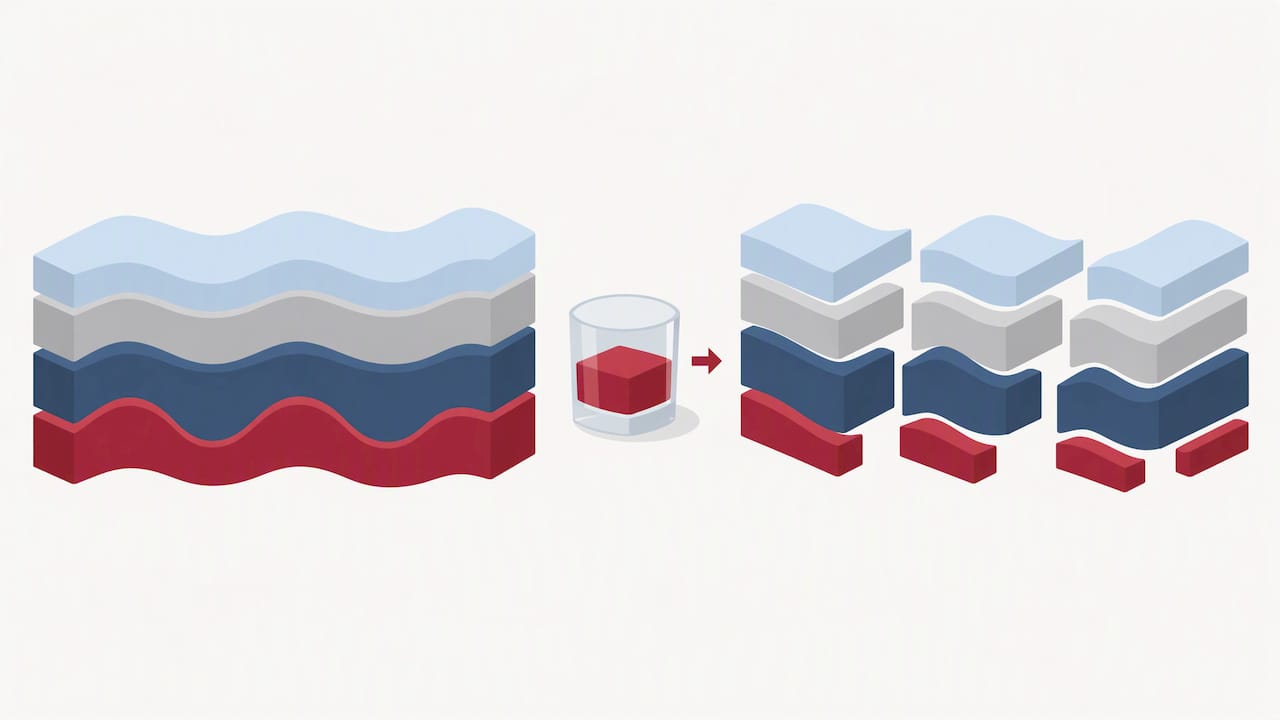
Poor sleep is tightly connected to appetite regulation. When sleep is shortened or fragmented, hunger-signaling hormones tend to shift in a direction that increases cravings and makes calorie-dense foods more appealing the next day. Recovery from training also suffers: fragmented sleep means less restorative time for muscle repair, which can blunt the results of the resistance training that supports long-term fat loss and muscle maintenance.
A few adjustments make a real difference here:
- Stop drinking at least three hours before bed to reduce the REM-disrupting effect on your sleep cycle.
- Stay hydrated throughout the evening, since alcohol’s diuretic effect compounds poor sleep quality.
- Keep a consistent wake time even after a night of drinking, since irregular sleep timing worsens next-day appetite dysregulation.
- Prioritize a dark, cool sleep environment on nights you do drink, since alcohol already makes sleep lighter and more fragmented than usual.
A practical plan to minimize alcohol’s impact on fat loss
You don’t need to choose between having a social life and making progress. A structured approach lets you keep both, while putting real guardrails around the habits that matter most.
- Set a weekly limit in advance, such as a fixed number of drinks or specific drinking days, rather than deciding in the moment.
- Build in no-drink days, which gives your body recovery windows and makes total weekly intake easier to control.
- Run a time-bound abstinence test, 21 to 30 days is a common, well-studied window, and track weight, waist circumference, sleep quality, and energy before and after.
- Choose lower-calorie options, such as a spirit with soda water instead of a sugary cocktail, and measure your pours instead of free-pouring.
- Log your drinks the same way you log food, since alcohol is easy to undercount when it isn’t written down.
- Use behavioral guardrails: eat before you drink, bring your own water, and loop in a friend who shares your goal so you’re not navigating social pressure alone.
A coach-written resource on practical steps to reduce alcohol’s effect on weight outlines similar behavior-first tactics that pair well with the tracking approach above.
Pro Tip: Weigh yourself and note your sleep quality for a week before starting an abstinence test, then compare those same numbers at the end. Objective data makes the decision to continue or adjust much easier than relying on how you feel.
If drinking is consistently undermining your sleep, your workouts, or your relationship with food, that’s a signal worth discussing with a coach or a medical professional rather than troubleshooting alone.
How personalized coaching accounts for alcohol’s effect on fat loss
We build our programs around DNA analysis, bloodwork, and gut microbiome testing, which means your plan accounts for how your own body responds to variables like alcohol, sleep, and recovery rather than applying a generic rule to everyone. For clients hitting a plateau that tracks with drinking habits, we use diagnostic testing to establish a baseline, then structure scheduled abstinence windows alongside nutrition and training adjustments.
Ongoing accountability check-ins help clients stay consistent with those windows instead of relying on willpower alone. If you suspect alcohol is a bigger factor in your plateau than your diet or training, a short diagnostic and coaching consult can show you, with real numbers, whether removing it moves your markers.
Balancing social drinking with fat-loss goals
We don’t think perfection is the goal here. Drinking has real social value, and demanding total abstinence from every client is a fast way to produce burnout rather than progress. What we recommend instead is a short, honest experiment: a few weeks without alcohol, tracked carefully, so you know what you’re actually working with. Long-term adherence beats short-term willpower every time, and the data from your own body is more convincing than any rule we could hand you.
— Peter
Ready to find out how alcohol is affecting your progress?
If you’ve read this far wondering whether alcohol explains your own stalled progress, the honest answer is that you can find out with real data instead of guesswork. We use DNA analysis and bloodwork to build a plan around your specific biology, so when you reduce or remove alcohol, we can show you exactly what changed, in your insulin sensitivity, your sleep, your body composition, rather than leaving you to guess.
- Our 4 Week DNA Coaching plan pairs diagnostic testing with a structured program built around your results.
- Health Coaching focuses on the accountability and habit work that make a short abstinence window actually stick.
- Training and coaching are available in-home, virtually, or in gyms, so the format fits your schedule rather than the other way around.
A short abstinence test on your own is a reasonable place to start. When you’re ready for a plan built around your own bloodwork and biology instead of general advice, our personal training and health coaching programs are built for exactly that next step.
This article is general information, not a substitute for advice from a qualified doctor. Consult a qualified healthcare professional about your own circumstances before acting on anything here.
FAQ
Can you drink alcohol and still lose fat?
Yes, moderate or occasional drinking does not rule out fat loss, but it does require accounting for the extra calories and the temporary suppression of fat oxidation that follows each drinking session. People who drink lightly and track their intake tend to see steadier progress than those who drink heavily or inconsistently track their calories.
What happens to your body after three weeks without alcohol?
Research on short-term abstinence shows measurable improvements within about a month, including a 25.9% reduction in a marker of insulin resistance and modest weight loss of roughly 1.5%, according to a prospective observational study. Many people also report better sleep quality and more stable energy within this window, consistent with alcohol’s known effects on sleep architecture.
Why does weight loss stall even though I’m drinking heavily?
Heavy or frequent drinking adds significant calories, suppresses fat oxidation for hours after each drinking session, and tends to increase impulsive food choices, all of which work against fat loss simultaneously. Long-term data tied to the Look AHEAD trial found that consistent heavy drinkers lost less weight over four years than abstainers, suggesting the effect compounds over time rather than staying isolated to any one night.
Can drinking alcohol help reduce belly fat?
No, alcohol does not support fat loss in any region of the body, including the abdomen, since it works against fat oxidation rather than promoting it. The broader research points the other direction: reducing or eliminating alcohol is associated with improved weight outcomes and better insulin sensitivity, both of which matter for abdominal fat specifically.
What’s considered a standard alcoholic drink in terms of calories?
A standard drink in the United States contains about 14 grams of pure alcohol, roughly a 12-ounce beer, a 5-ounce glass of wine, or 1.5 ounces of distilled spirits, according to the CDC’s drinking guidance. Most standard drinks run close to 100 to 150 calories on their own, though mixers and larger pours can push that number considerably higher.
Sources
- CDC — Moderate and binge drinking
- Short-term abstinence from alcohol and changes in cardiovascular risk factors, liver function tests and cancer-related growth factors: a prospective observational study
- The relationship of alcohol use to weight loss in the context of behavioral weight loss treatment
- NIAAA review (alcohol metabolism and nutrition)