


Yes, biological age markers can move. In human trials, diet and lifestyle programs lowered an epigenetic clock by about 3 years in eight weeks, 12 weeks of exercise cut a proteomic age score by roughly 10 months, and 12 months of aerobic exercise lowered brain age by about 0.6 years. Read on to see how, and how to build a monitored program.
Key Takeaways
Lifestyle and diet changes can actively reduce biological age markers, but consistent habits and tracking trends are essential for effective aging intervention.
| Point | Details |
|---|---|
| Track biological age trends | Use reliable tests consistently over time to monitor aging progress and guide lifestyle adjustments. |
| Engage in regular exercise | A structured, progressively challenging exercise routine, including aerobic and resistance training, can lower biological age markers. |
| Eat a nutrient-rich diet | Adopt a plant-rich, balanced diet such as Mediterranean style, combined with calorie control or time-restricted eating. |
| Prioritize sleep and stress management | Aim for 7 to 9 hours of quality sleep and practice daily stress reduction techniques for healthier aging. |
| Use diagnostics and coaching together | Combine biological testing with personalized coaching to understand your aging markers and stay motivated. |
Table of Contents
- What biological age is and how scientists measure it
- Human evidence that biological age markers can be lowered
- Evidence-backed lifestyle interventions to lower biological age
- How to design a 3–6 month program to lower biological age
- Which tests measure biological age and how to interpret results
- Realistic expectations and limits of the evidence
- Why we pair diagnostics with coaching
- How Posh Fitness can help you lower biological age
- FAQ
- Sources
What biological age is and how scientists measure it
Chronological age is the count of years since birth, and it only moves one way. Biological age describes the condition of your cells, tissues and organs, and it is potentially modifiable through lifestyle, environmental and pharmacological factors. Two people born on the same day can carry very different biology.
Researchers estimate biological age with several families of “clocks,” and each one captures something different:
- Epigenetic clocks (Horvath, GrimAge and newer versions) read DNA methylation patterns, chemical tags on DNA that shift as we age.
- Proteomic clocks (such as ProtAge) read blood protein signatures linked to aging and metabolic health.
- Brain-PAD compares the age your brain scan suggests with your actual age.
- Telomere length tracks the protective caps on chromosomes, which tend to shorten over time.
Stanford Medicine experts describe these tests as tools for capturing your aging trajectory, not as definitive snapshots. Because the clocks measure different biology, two tests taken the same week can disagree. Blood-based clocks and brain imaging look at different tissues, and day-to-day variation adds noise on top.
The practical takeaway is simple. Choose one reliable test family, run it under consistent conditions, and watch the trend over time instead of reacting to a single number. At Posh Fitness, we build this into our approach: we pair a SystemAge DNA test with bloodwork so the numbers guide the plan, and we retest on a schedule instead of chasing one reading.
Human evidence that biological age markers can be lowered
The strongest human data so far comes from small to mid-sized trials. They are encouraging, but they are not final proof. Here is what each one found.
- Diet and lifestyle, 8 weeks. In a pilot randomized trial of men aged 50 to 72, the program was associated with a 3.23-year decrease in Horvath DNAmAge compared with controls, and a 1.96-year decrease within the treatment group. The authors note the small sample and call for larger trials.
- Supervised exercise, 12 weeks. Researchers combining UK Biobank data with a 12-week exercise study (MyoGlu) saw a 10-month reduction in a proteomic aging score. The exercise-responsive protein changes tracked with better insulin sensitivity.
- Aerobic exercise, 12 months. A single-blind randomized trial found brain-predicted age fell by about 0.6 years in the exercise group compared with control.
- Therapeutic plasma exchange. A small, exploratory placebo-controlled trial reported that plasma exchange combined with IVIG produced the largest reductions, averaging about 2.61 years. This is a clinical procedure, not a self-directed habit.
A 12-week supervised exercise program was associated with a roughly 10-month reduction in a proteomic aging score. Structured training appears to shift blood protein patterns tied to aging, though one intervention study cannot settle the question alone.
The broader literature points the same direction with caveats. A curated analysis of 51 interventional studies found that many DNA methylation biomarkers respond to interventions, especially next-generation clocks, with pharmacologic interventions often producing the strongest responses. The two-year DAMA trial found that better diet slowed the DNAmGrimAge clock, while more physical activity reduced stochastic epigenetic mutations. Responsiveness differs by clock and by intervention, which is one more reason to track trends rather than single values.
Evidence-backed lifestyle interventions to lower biological age
The trials above share a pattern: several healthy behaviors, done consistently. Here is how we translate them into daily practice.
- Move on a schedule. The National Institute on Aging recommends a mix of aerobic, strength and balance work, aiming for about 150 minutes a week of moderate aerobic activity plus strength training. We add two resistance sessions a week and raise load or duration gradually, since the exercise trials used supervised, progressive programs. If balance is a weak spot, this guide to safe balance exercises is a useful companion.
- Eat a plant-rich, nutrient-dense pattern. A Mediterranean-style diet works for many people, with calorie control or time-restricted eating where appropriate. The 8-week pilot trial paired diet with exercise, sleep and relaxation guidance, and the DAMA trial linked dietary improvements to a slower epigenetic clock.
- Protect your sleep. Aim for 7 to 9 hours. The National Institute on Aging lists quality sleep alongside movement, nutrition and stress management as a foundation of healthy aging. Keep a fixed wake time, a dark cool room and a screen-free wind-down.
- Practice daily stress reduction. The multi-modal diet-and-lifestyle trial included relaxation practices in its bundle. Even ten minutes of breathing work or a walk without your phone is a realistic start.
- Avoid smoking and keep habits consistent. The NIA stresses that small, consistent changes add up to meaningful benefits.
- Treat supplements and drugs as clinical decisions. Small trials have explored vitamin D, omega-3s and certain drug classes, and pharmacologic interventions sometimes show the strongest clock responses in the 51-study analysis. That makes them a conversation for your physician, with lab monitoring, not a shopping list.
Pro Tip: Stack habits instead of adding them. Schedule your resistance sessions on days when you already meal-prep, and use the walk to a meeting as your daily stress break. One routine you keep beating three you abandon.
Compliance is where most plans fail, so we plan for it. Start with two or three changes, write the weekly schedule down, and track one objective number, such as weekly training minutes or average sleep hours. When a week goes sideways, resume the next day instead of restarting the program.
How to design a 3–6 month program to lower biological age
The trials ran from 8 weeks to 12 months, so a 3 to 6 month window gives you enough time to build habits and see meaningful signals. Here is the structure we use.
Baseline. Before changing anything, collect your starting data:
- Basic labs, including vitamin D and triglycerides, which the diet-and-lifestyle trial tracked alongside clock measures.
- One biological age test, either an epigenetic or proteomic clock, kept consistent for retesting.
- Body composition and a fitness measure, such as VO2 estimates or a functional test.
Weekly template. A realistic week might look like this:
- Resistance sessions covering legs, push, pull and core.
- Aerobic sessions, building toward 150 minutes total at moderate intensity, with some higher-effort work once your base is solid.
- One balance or mobility block, which can fold into warm-ups.
- A consistent 7 to 9 hour sleep window, plus a daily 10-minute stress practice.
- Mostly plants, adequate protein and minimal ultra-processed food, with one weekly review of how the plan went.
Use progressive overload by gradually adding load or minutes, and include lighter weeks for recovery.
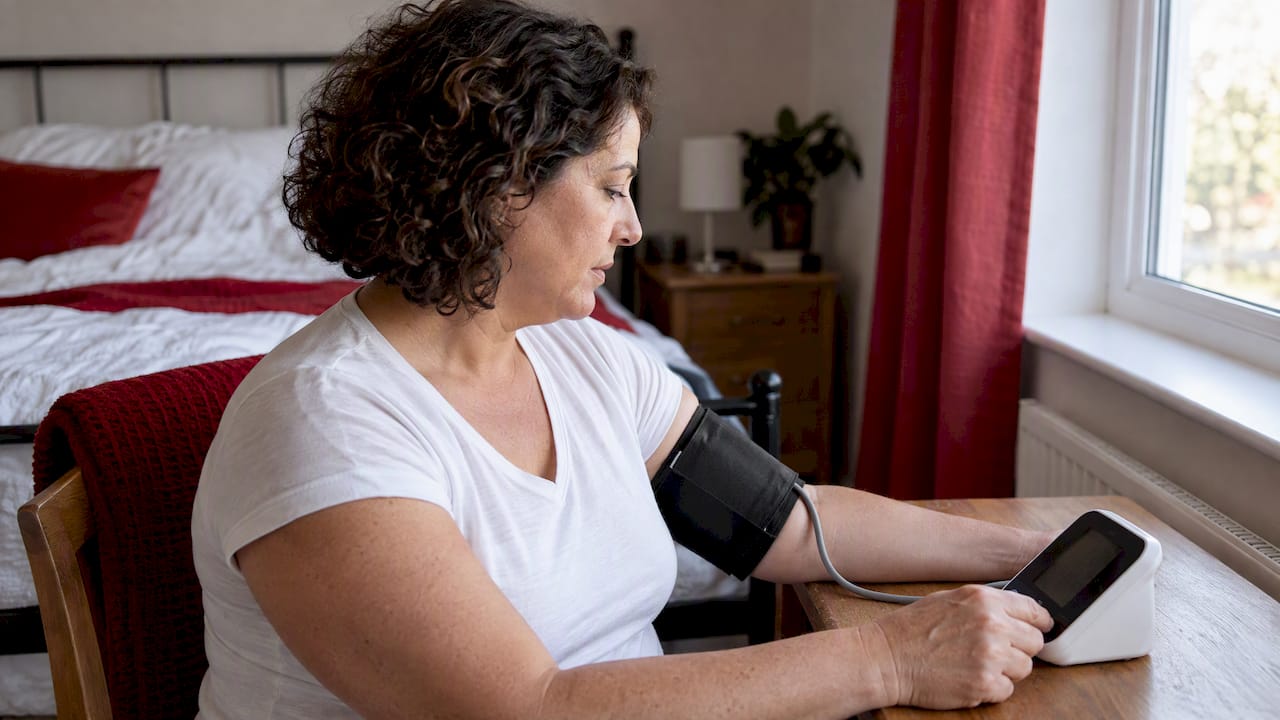
Monitoring. In the research, some epigenetic and proteomic shifts appeared after 8 to 12 weeks, while brain-age change took 12 months. Retest your clock at about 12 weeks and again at 6 months, and use ordinary labs, blood pressure, waist measurement and fitness benchmarks to steer adjustments in between.
Adherence. Coaching, objective tracking and milestones you can hit make the difference between a plan on paper and a plan you finish. We set targets such as completed sessions per week, sleep consistency and lab improvements, and treat clock results as one input among several.
Which tests measure biological age and how to interpret results
Each test family answers a slightly different question:
- Epigenetic clocks (Horvath, GrimAge, next-generation versions) emphasize DNA methylation and are the most common in intervention trials.
- Proteomic clocks such as ProtAge read blood proteins and were used in the 12-week exercise study.
- Brain-PAD uses MRI to estimate brain age and requires imaging access.
- Telomere tests estimate chromosome cap length, a different aspect of aging biology.
Reliability is the catch. Sample type, time of day and recent acute stress can all nudge results, and some clocks carry a margin of error, which means a small change may be noise rather than progress.
No single clock is “best.” Stanford experts note that different tests measure different biology, which is why trends across repeated tests matter more than any one value.
Best practices are straightforward: choose one clock family, standardize pre-test conditions (fasting, sleep, recent exercise), and compare like with like across retests. Involve a clinician before pursuing any pharmacologic or procedure-based approach, since those options need medical oversight.
Realistic expectations and limits of the evidence
Most positive results come from small or pilot studies, and biological age markers are surrogate endpoints. A lower number on a clock is not proof that you will live longer. The authors of the 8-week trial themselves note the small sample and call for larger studies.
Individual response also varies. The 51-study analysis shows that different clock types respond differently to different interventions, so your result may not mirror a trial average.
The reassuring part is that you do not need the clock to move to benefit. Exercise, nutritious food, good sleep and stress management are the behaviors the National Institute on Aging points to for healthy aging whether or not any test changes. Treat the clock as feedback, and the habits as the goal.
Why we pair diagnostics with coaching
We use DNA analysis and bloodwork to personalize each client’s plan, and we deliver coaching in the home, at a gym or virtually. Testing shows us where to start, whether that means energy, recovery, body composition or metabolic markers, and it makes the plan feel specific to you. Our longevity coaching is built around that approach.
— Peter
How Posh Fitness can help you lower biological age
If you would rather not build and monitor this program alone, we do it with you. Our Premium Coaching Plan combines DNA and bloodwork diagnostics with ongoing coaching, and our DNA Coaching is a shorter way in. Live virtual sessions are available if in-person is not practical.
The journey is simple: diagnostics, a personalized plan, coaching, and reassessment. We use the numbers to adjust your training, nutrition and recovery as you progress. See membership and session options on our pricing page, or book a conversation with our team to get started.
This article is general information, not a substitute for advice from a qualified doctor. Consult a qualified healthcare professional about your own circumstances before acting on anything here.
FAQ
What are the 7 pillars of ageing?
A common way to think about aging is through interconnected biological processes, including chronic inflammation, stem cell exhaustion and loss of proteostasis. They are a conceptual framework, and definitions vary between authors. Practically, the National Institute on Aging points to movement, nutrition, sleep and stress management as foundational behaviors.
What are the five stages of the aging process?
There is no single standard model of stages in the research we reviewed, and definitions differ by source. Biologists instead describe aging as gradual, with biological age reflecting cumulative genetic and environmental exposures rather than fixed stages.
Can humans expect to live to 120 years old?
Nothing in the trials we cite shows that lowering a clock extends lifespan, and these markers are surrogate endpoints, not proof of longevity. What the evidence supports is aiming for healthier aging through consistent daily habits.
How can I look 10 years younger naturally?
No study we reviewed supports a promise of a specific amount of age reversal. The best-supported steps are regular exercise, a plant-rich diet, 7 to 9 hours of sleep and stress management, which trials linked to lower epigenetic age markers of about 2 to 3 years in a small eight-week study.
Sources
- Potential reversal of epigenetic age using a diet and lifestyle intervention: a pilot randomized clinical trial - PMC
- Reversal of proteomic aging with exercise—results from the UK biobank and a 12-week intervention study
- Fitness and Exercise Effects on Brain Age: A Randomized Clinical Trial
- Multi‐Omics Analysis Reveals Biomarkers That Contribute to Biological Age Rejuvenation in Response to Single‐Blinded Randomized Placebo‐Controlled Therapeutic Plasma Exchange
- Nia