
Biological age testing has moved from longevity conferences into mainstream wellness.
You may now see DNA-based “clocks” marketed as tools for longevity planning, weight management, and personalized health. Labs are also beginning to promote genetic panels designed to estimate GLP-1 response or explain a weight-loss plateau.
The interest is understandable. You want to know whether your current habits are helping you age well.
But biological age testing needs context.
A result can be useful. It can help start a better conversation and support more focused lifestyle planning. It is not a verdict on your future, and it is not a medical diagnosis.

What Is the GLP-1 Connection?
The next major trend is DNA testing for GLP-1 response and weight-loss plateaus. Research suggests that genetic differences may influence:
Why Is Everyone Talking About Biological Age?
Your chronological age is simple. It is the number of years since you were born. Your biological age is an estimate of how your cells, tissues, and organ systems are functioning relative to people of the same chronological age (Stanford Medicine, 2026). Many biological age tests measure DNA methylation. Methylation involves chemical tags attached to DNA that help regulate whether certain genes are more or less active. A simple way to think about it:- Your DNA is the hardware.
- Methylation is part of the software.
- Lifestyle, stress, sleep, nutrition, illness, and environmental exposures can influence the software.
- Horvath, which estimated chronological age across multiple tissues.
- Hannum, developed primarily from blood-based methylation data.
- PhenoAge, designed to reflect physiological health and mortality risk.
- GrimAge, designed to estimate mortality-related risk factors.
- DunedinPACE, which focuses on the pace of aging rather than an age in years.
What Can a Biological Age Clock Actually Tell You?
At the population level, epigenetic clocks can provide meaningful information. People with less favorable scores may show higher rates of:- Cardiovascular disease
- Functional decline
- Frailty
- Metabolic dysfunction
- Earlier mortality
- Sleep quality
- Resistance training and muscle mass
- Cardiovascular fitness
- Nutrition and protein intake
- Blood sugar regulation
- Inflammation
- Stress and recovery
- Alcohol and tobacco exposure
- Existing medical risk factors
What Can’t These Tests Tell You?
Here is the honest part. Biological age clocks are not perfect age meters. They do not reveal your “true” age with the precision of a birth certificate. Current limitations include:- Assay complexity and cost: Many tests rely on array-based methylation platforms and specialized laboratory analysis.
- Platform effects: Results may vary between array types, laboratories, normalization methods, and batch runs.
- Cell-composition effects: A blood sample contains different types of immune cells. Changes in those proportions can influence the result.
- Short-term reliability: A clock can be technically reproducible while still fluctuating biologically due to stress, infection, inflammation, meals, or other temporary changes.
- Limited standards: There is no universal definition of biological age and no single accepted clinical standard for validating every clock.
- Ancestry concerns: Many training cohorts contain mostly people of European ancestry. Performance may be less consistent in underrepresented populations.
- Clock disagreement: Horvath, GrimAge, PhenoAge, and DunedinPACE can produce different results because they measure different aspects of aging.
- Delayed response: A meaningful lifestyle improvement may not immediately change a methylation-based score. The reading may lag behind your actual behavior.
Use a biological age result as a trend-tracking tool, not as a verdict.A single result is much less helpful than a consistent process of testing, acting, measuring, and reassessing.
What Is the GLP-1 Connection?
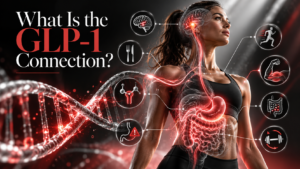
The next major trend is DNA testing for GLP-1 response and weight-loss plateaus. Research suggests that genetic differences may influence:
- Appetite regulation
- GLP-1 receptor activity
- Nausea or vomiting risk
- Fuel utilization
- Muscle response to training
- Nutrient absorption
- Recovery and exercise tolerance
- Inadequate protein intake
- Loss of lean mass
- Reduced daily movement
- Sleep disruption
- Medication adherence
- Dose and timing
- Digestive issues
- Stress
- Thyroid or metabolic conditions
- Other medications
How Does Poshfitness Use Biological Age Testing?
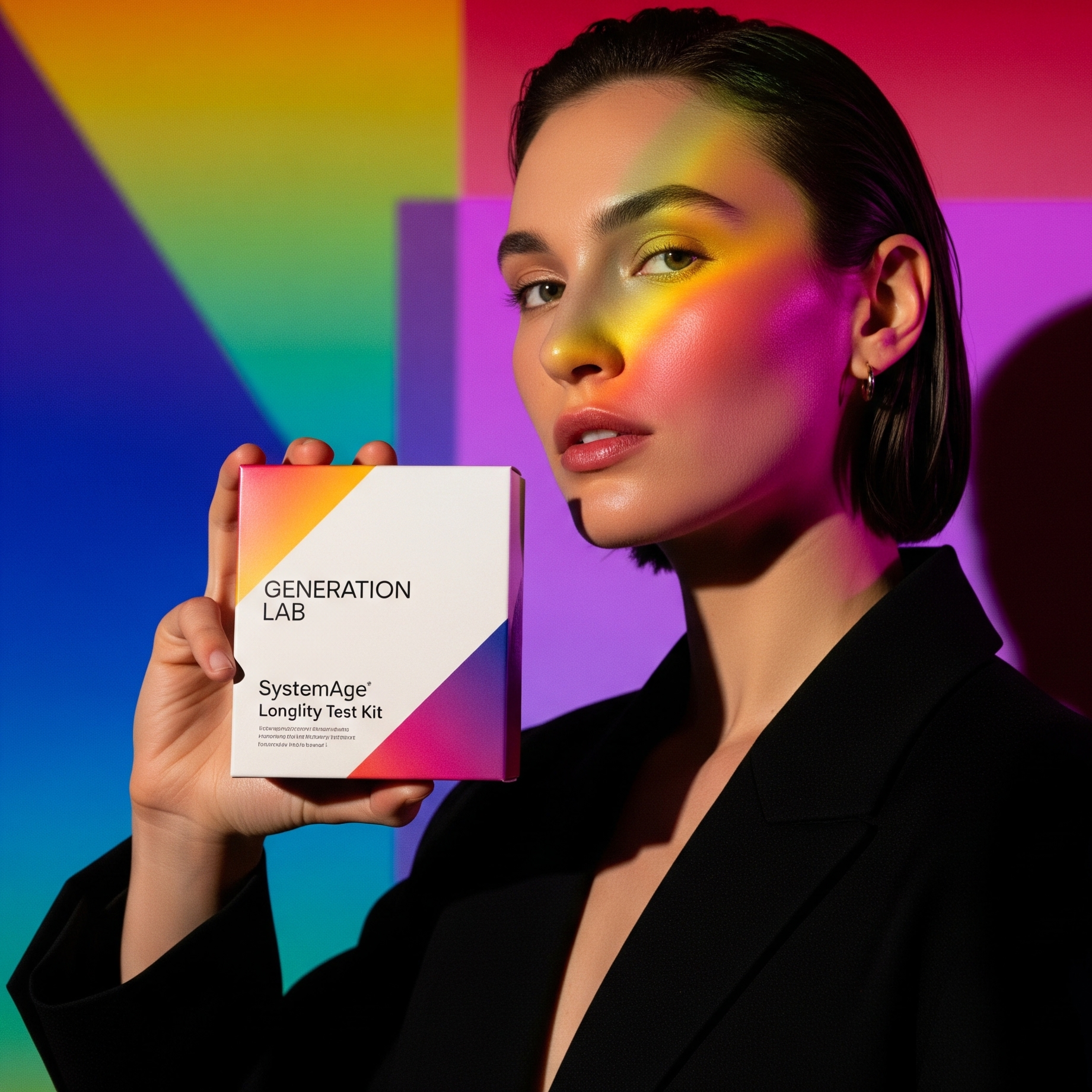
At PoshFitness, we do not use testing to frighten you or sell a magic solution. We use data to reduce guesswork. Our SystemAge testing program uses Generation Lab’s 460-biomarker panel across 19 organ systems. The platform combines AI-powered epigenetics with biological and clinical markers to estimate the rate of aging across different systems. Generation Lab also describes BioNoise as the drift or disruption of methylation patterns away from healthier baselines. This concept is connected with research from Dr. Irina Conboy and her work on systemic aging and biological signals. The research associated with this field has appeared in journals including GeroScience, Nature, and Aging. Generation Lab also identifies support from longevity researchers including Dr. George Church and Dr. David Sinclair. These credentials are meaningful, but they do not turn one test into a diagnosis. We interpret SystemAge as one part of a broader health picture. Our process is straightforward:- Test once to establish a baseline.
- Review the data alongside your goals, bloodwork, lifestyle, and medical context.
- Act with a personalized plan for training, nutrition, supplements, sleep, recovery, and habits.
- Track progress through the Posh Fitness app and ongoing coaching.
- Retest later to evaluate direction rather than obsess over a single number.
We’re Not Trainers. We’re Longevity Coaches.
A traditional trainer may focus mostly on workouts. A longevity coach looks at the larger system. At Poshfitness, we connect your DNA, bloodwork, training, nutrition, recovery, supplements, and daily habits. We help you turn complicated information into practical next steps. For clients in Fairfield County CT, that may include in-home training. We also serve clients in Greenwich CT and provide national virtual coaching. Our services include:- In-home elite personal training
- Ultra personal training built around your schedule
- Virtual health coaching
- DNA and bloodwork-informed protocols
- Fitness tracking through our app
- Nutrition and habit coaching
- Community and accountability support