
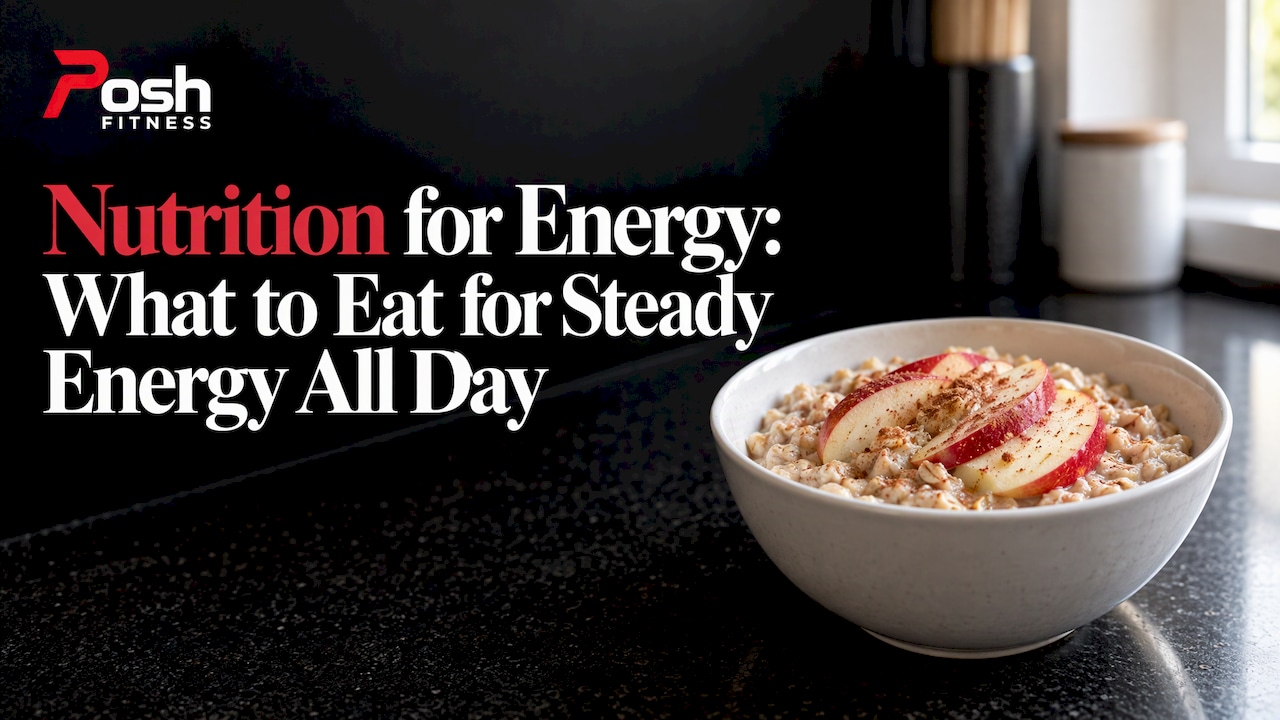

Steady energy comes from a pattern, not a single superfood: minimally processed carbohydrates with fiber, protein at every meal, some healthy fat, regular meal timing and enough fluid. Refined carbohydrates and long gaps between meals do the opposite. They produce a spike and a slump. Below we cover what to eat, how to put it on a plate, what the gut and probiotic research actually shows, and when tiredness is a reason to call your doctor.
Key Takeaways
- Build meals around fiber-rich carbohydrates, a protein source and some fat. This combination digests more slowly and keeps energy level.
- Eat every three to four hours, starting with breakfast, so your blood sugar and your brain have a steady supply.
- Iron and B12 deficiencies can cause fatigue, so tiredness that persists despite good habits deserves bloodwork, not guesswork.
- Fiber is the best-supported way to look after your gut. Probiotic evidence for energy is early and strain-specific.
- Tired after meals again and again? Smaller portions and balanced plates help, and a doctor should rule out anemia, diabetes, celiac disease and sleep apnea.
Table of Contents
- How food turns into energy
- What nutrient is best for energy?
- The best foods for energy
- Foods and habits that drain energy
- A simple day of eating for steady energy
- Why am I always tired after eating?
- Gut health, probiotics and energy
- Our perspective
- Work with a coach on your energy
- A two-week energy experiment
- FAQ
- Sources
How food turns into energy
Your body converts carbohydrates, protein and fat into ATP, the molecule cells use as fuel. That conversion depends on micronutrients. The Tufts Health & Nutrition Letter notes that magnesium, several B vitamins, vitamin C and coenzyme Q10 are required for ATP-producing reactions, and that a healthy dietary pattern is the best way to optimize energy production.
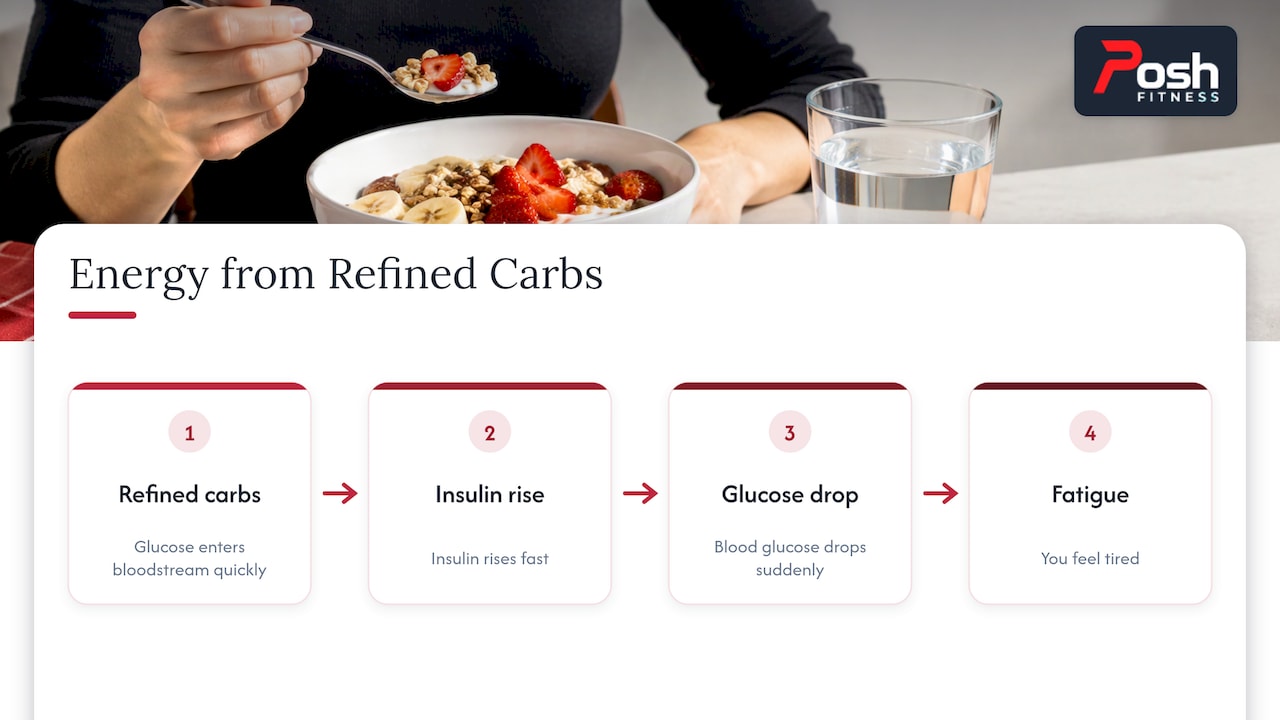
The same source explains the other half of the story. Refined carbohydrate foods send glucose into the bloodstream quickly, insulin rises fast, and the sudden drop in blood glucose that follows leaves you feeling tired. Harvard Health describes the same arc: candy and simple sugars give a quick lift that fades and can leave you depleted and craving more sweets.
So the goal is not to eat more. It is to eat in a way that releases energy gradually.
What nutrient is best for energy?
No single nutrient wins. Carbohydrate is the body’s main fuel, protein and fat slow the release of that fuel, and the micronutrients above let your cells use it. If you want a short priority list, it looks like this:
- Fiber-rich carbohydrates for lasting fuel.
- Protein to stabilize blood sugar and keep you full.
- Iron and vitamin B12, because deficiency in either can cause fatigue.
- Magnesium and B vitamins, which come mostly from whole grains, legumes, nuts, seeds, vegetables and fish.
- Fluids, since even mild dehydration can blunt focus. We cover that in our guide to hydration and energy.
The best foods for energy
Complex carbohydrates
Cleveland Clinic points to whole grains like oatmeal, brown rice and whole-wheat bread, fruits such as apples, blueberries and pears, vegetables like sweet potatoes and broccoli, leafy greens and legumes as foods that provide lasting energy. They are high in fiber and starch, so the body breaks them down and absorbs them more slowly.
The 2025-2030 Dietary Guidelines for Americans put numbers on it for a 2,000-calorie pattern: 3 servings of vegetables, 2 servings of fruit and 2 to 4 servings of whole grains per day, while avoiding highly processed foods, added sugars and refined carbohydrates.
Protein
Cleveland Clinic notes that lean proteins such as skinless chicken, salmon or cod, eggs, plain yogurt, nuts, seeds and legumes take even longer to digest than complex carbohydrates, which is why they help against fatigue. The same page cautions that very fatty cuts make the body work harder and can leave you drowsy, so choose leaner options at lunch.
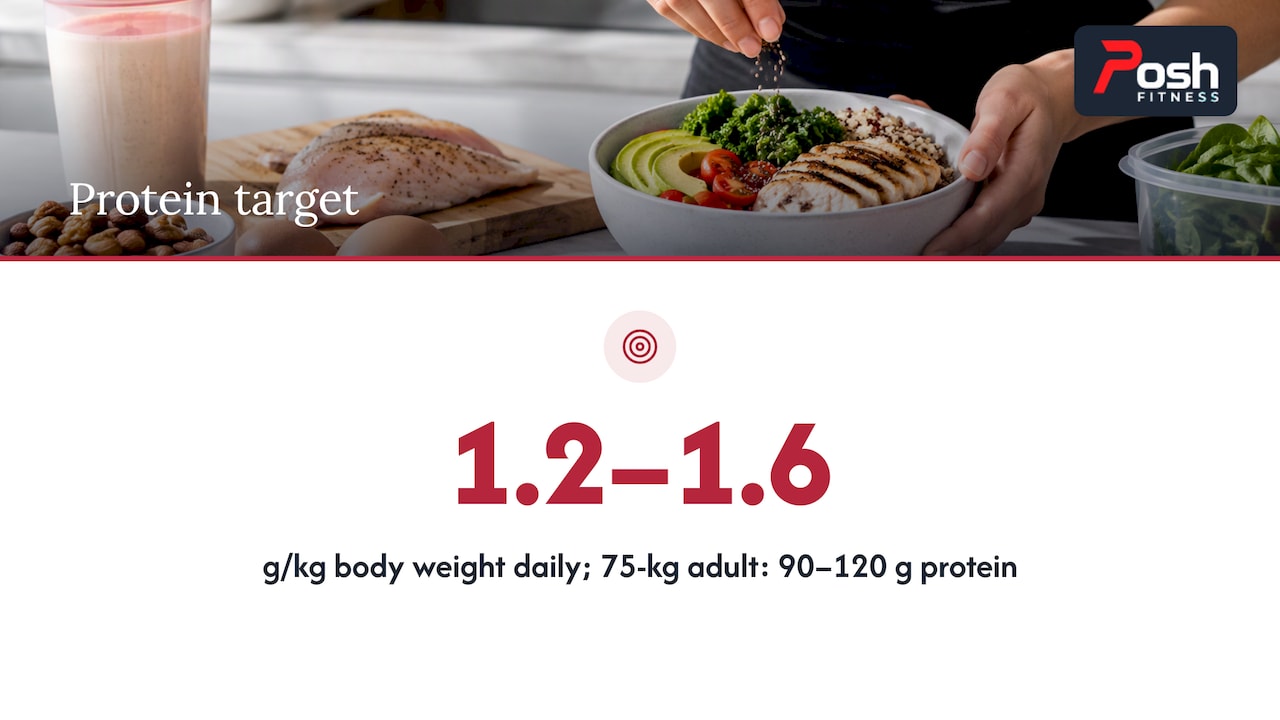
Mayo Clinic Press recommends increasing protein to help prevent afternoon fatigue, because protein helps stabilize blood sugar. The Dietary Guidelines suggest prioritizing protein foods at every meal, with a goal of 1.2 to 1.6 grams per kilogram of body weight per day. For a 75 kg (165 lb) adult, that is roughly 90 to 120 grams daily. Your own target depends on your health, kidney function and training, so confirm it with your clinician or dietitian.
Healthy fats
Fat slows digestion and adds staying power. Harvard Health emphasizes vegetables, whole grains and healthy oils within a balanced pattern. Avocado, olive oil, nuts, seeds and fish all qualify. The Dietary Guidelines cap saturated fat at 10% of daily calories.
Water-rich fruits and vegetables
They add fiber, potassium, vitamin C and fluid in the same bite. An apple with peanut butter is a better afternoon choice than a candy bar for exactly this reason.
Foods and habits that drain energy
- Refined carbohydrates eaten alone. White pastries, sweet cereal and juice on an empty stomach produce the spike and drop described above.
- Added sugar. The Dietary Guidelines state that no amount of added sugars is recommended, and a single meal should contain no more than 10 grams.
- Skipped meals. Harvard Health explains that the brain has very few energy reserves of its own and needs a steady supply of nutrients.
- Heavy, high-fat lunches. Large, fatty meals are a common trigger of the post-lunch slump.
- Too little fluid. Thirst and fatigue often arrive together.
A simple day of eating for steady energy
HSS recommends eating every three to four hours: three small-to-moderate meals and two snacks, which keeps energy at an even level without highs and lows. Mayo Clinic Press suggests three meals daily, with snacks as needed, each including carbohydrate, protein and fat.
| Meal | Example | What it provides |
|---|---|---|
| Breakfast | Greek yogurt with berries and walnuts, or eggs with whole-grain toast and avocado | Protein, fiber, fat |
| Mid-morning snack | Apple slices with peanut butter | Fiber, protein, fat |
| Lunch | Salmon or chicken, quinoa or brown rice, large vegetable portion, olive oil | Lean protein, complex carbohydrate, healthy fat |
| Afternoon snack | Hummus with vegetables, or whole-grain crackers with avocado | Fiber, plant protein |
| Dinner | Lentil and vegetable stew, or fish with sweet potato and greens | Fiber, protein, micronutrients |
The snack pairings come straight from the guidance: Dartmouth Cancer Center suggests snacks with at least two food groups, such as Greek yogurt with berries or hummus with vegetables. The same source recommends an 85/15 approach: nourishing choices most of the time, with room for treats. That is realistic, and realistic is what lasts.
Eating around exercise
If you train, your fuel needs shift. Carbohydrate before a session and protein afterward matter more as intensity rises. For a runner’s view, see this guide on what to eat around a run. For strength and general training, our article on meal timing for workouts walks through what to eat and when. If workouts leave you wiped out, our post-workout fatigue checklist covers recovery and four red flags.
Why am I always tired after eating?
Sleepiness after a meal, called postprandial somnolence, is common. Cleveland Clinic attributes it to hormones released by certain foods, meal timing and portion size. A meal rich in carbohydrate and protein can also raise serotonin production through tryptophan uptake, which influences mood and sleep cycles. Poor sleep and circadian rhythm play a part too.
What tends to help:
- Reduce portion size and add a second small snack instead.
- Replace refined carbohydrates with whole grains, beans or vegetables.
- Include protein at each meal.
- Take a ten-minute walk after eating.
- Protect your sleep, because a short night makes every meal heavier.
When to see a doctor. If the fatigue persists despite these changes, Cleveland Clinic says anemia, celiac disease, diabetes, food intolerances or allergies, or sleep apnea may be involved. WebMD likewise advises telling your doctor if extreme tiredness after eating happens often. Ask your primary care clinician about blood tests for iron, B12, thyroid function and blood sugar.
If you are in your forties and the tiredness is broader than meals, our piece on low energy at 40 lists common causes and checks.
Gut health, probiotics and energy
The gut-energy link is a popular idea and an active research area. Here is what the evidence supports today.
Fiber comes first. Dr. Linda Anne Lee at Northwell Health says the most effective way to keep the gut healthy is simple: gut organisms thrive on fiber. The Academy of Nutrition and Dietetics recommends about 25 grams a day for women and 38 grams for men, ideally from a Mediterranean-style, mostly plant-based diet rich in vegetables, legumes and whole grains. The same article notes probiotics are not regulated by the FDA and that most strains disappear from the gut when you stop taking them.
Probiotic research is promising but early. Some findings relevant to fatigue:
- A 2025 randomized trial reported that Veillonella atypica supplementation was associated with a faster decline in fatigue interference and a faster rise in self-reported physical activity compared with placebo. It is a preprint, and the authors say mechanistic causality remains to be established.
- A 2025 placebo-controlled study in a professional soccer team found self-reported energy levels improved by 31% after a Lactobacillus consortium. Only 11 participants completed all aspects, so the sample was very small.
- A 2026 trial in people with diarrhea-predominant irritable bowel syndrome found that eight weeks of Bifidobacterium breve Bif195 lowered fatigue scores versus placebo, though the effect was gone at follow-up after treatment ended.
A 2024 review concluded there is sufficient evidence to consider specific probiotics for some indications, but not enough for blanket recommendations for healthy people. A 2023 narrative review found no consistent gut microbiome pattern linked to energy metabolism in humans.
The practical reading: the effects are strain-specific, so a generic probiotic is not a reliable energy fix. Feed your gut with fiber and varied plants first. If you want to try a probiotic, talk with your clinician, particularly if you have a medical condition or a weakened immune system.
Our perspective
Most people who come to us have already tried eating better. They cut sugar, add salad, and still feel flat at 3 p.m. The reason is rarely willpower. Two people can eat the same lunch and respond very differently, depending on their blood sugar regulation, nutrient status, gut, sleep and training load.
That is why we start with data rather than a template. Our approach uses DNA analysis, bloodwork, gut microbiome testing and physical assessments to see what your biology needs, then builds training and nutrition around it. Iron, B12 and glucose markers are a good example: you can eat a textbook diet and still run low, and bloodwork tells you whether that is the case.
General advice, like the guidance in this article, is a solid foundation. Personalization is how we aim to turn that foundation into results you can feel: steadier mornings, fewer crashes, and the energy and performance you remember from earlier in life. We work alongside your physician, never in place of one.
Peter
Work with a coach on your energy
If you live in Fairfield County, CT or Westchester County, NY and want a plan built around your own biology, we offer in-home, in-gym and virtual options. Our health coaching focuses on nutrition, sleep and daily habits, and our 4 Week DNA Coaching uses your genetic data to shape food and training choices.
Prefer to start online? Our online personal fitness plans include the Online Personal Fitness Plan Starter at $40 per month and the Truly Personal Plan at $99 per month. A live virtual training session is $80, and you can see it on the virtual session page. For in-person and longevity options, see our pricing page, or read how health coaching for fatigue works.
A two-week energy experiment
Small, consistent changes beat overhauls. Try this for fourteen days and note how you feel at 10 a.m. and 3 p.m.:
- Eat breakfast within an hour or two of waking, with at least 20 grams of protein.
- Swap one refined carbohydrate a day for a whole-grain, bean or vegetable option.
- Plan two snacks that pair two food groups.
- Drink water through the day. Our hydration guide gives practical amounts.
- Add a short walk after your largest meal.
- Keep a bedtime that gives you a full night.
For the non-food side of your morning, our morning routine for energy and metabolic flexibility diet articles are good next steps. If nothing shifts after two weeks, book a checkup and ask for blood work.
FAQ
What nutrition gives you the most energy?
A balanced pattern does: fiber-rich carbohydrates for fuel, protein and fat to slow its release, and enough iron, B12, magnesium and B vitamins to convert food into energy. Eating this way at regular intervals matters more than any single food.
What is the best thing to eat to gain energy quickly?
Pair a piece of fruit with protein or fat, such as an apple with peanut butter or Greek yogurt with berries. Harvard Health notes a piece of fruit or a few nuts is enough to feed the brain between meals. Candy gives a quick lift that fades fast.
What diet helps with fatigue?
A Mediterranean-style, plant-forward pattern with lean protein, whole grains, legumes, healthy oils and regular meals is well supported. If fatigue continues, see your doctor to check for anemia, thyroid problems, diabetes and sleep apnea before changing your diet further.
Do probiotics help with energy?
Some specific strains show early signs of reducing fatigue in small or preliminary trials, but the evidence is not strong enough to recommend probiotics for energy in general. A high-fiber diet is the better-supported way to support your gut. Check with your clinician before starting a supplement.
Sources
- Energy Levels and Diet, Tufts Health & Nutrition Letter
- Dietary Guidelines for Americans, 2025-2030
- Foods That Give You Energy, Cleveland Clinic
- Why Do You Get So Tired After Eating?, Cleveland Clinic
- How to prevent an afternoon crash with diet, Mayo Clinic Press
- Eating to boost energy, Harvard Health
- Eating for Energy: 10 Strategies, Dartmouth Cancer Center
- The Do’s and Don’ts of Eating for Energy, HSS
- Fatigue and Exhaustion, WebMD
- The truth about gut health, Northwell Health
- Veillonella atypica supplementation reduces fatigue, medRxiv
- A Lactobacillus consortium study, Microbiome
- Bifidobacterium breve Bif195 and fatigue trial, PubMed
- Is There Evidence to Support Probiotic Use for Healthy People?, PMC
- Exploring the Influence of Gut Microbiome on Energy Metabolism, PMC
- What to Eat Before and After a Run